
Process development · Technology transfer · Training
Pultrusion know-how, from the first profile to production handover.
Define the materials, equipment, tooling and working methods for your profile. Request a scoped program for a new line, a new product or a problem on an existing line, with trial records and practical training tied to the agreed conditions.
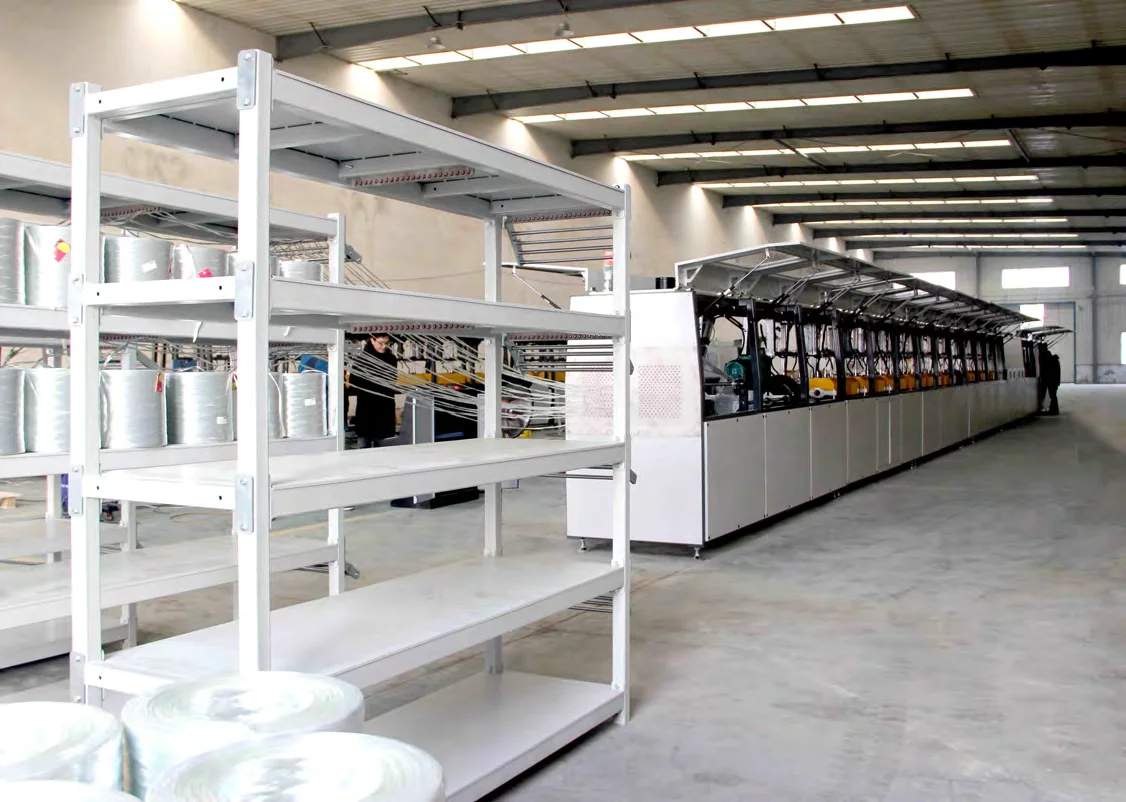
Nine work packages
Choose the support your project needs
Request the modules relevant to your profile and production line. The proposal confirms feasibility, responsible supplier, deliverables, trial and acceptance criteria, location, language, timing and charges. No module is automatically included with equipment or dies.
01Product feasibility and process planning
Turn the first profile drawing into a defined development brief.
Start with
Drawing and revision, application, loads and environment, critical dimensions, finish, test requirements and planned output.
Engineering work
Review section geometry, reinforcement layout, secondary machining and candidate production routes. Identify assumptions that need samples or testing before tooling is committed.
You receive, when included
- Requirements and design-for-manufacture review
- Candidate material and process route
- Open questions, test plan and development milestones
Acceptance evidence
Approved requirements, drawing revision and a named owner for each unresolved decision.
Agreed in the quotation
Profiles covered, drawing changes, sample availability, review rounds and any separately provided structural analysis.
02Equipment selection and line interfaces
Check that the selected line, die and material route can work together.
Start with
Launch profiles, machine make and configuration, die envelope, material route, factory layout, utilities and available operating records.
Engineering work
Review creel and infeed, die mounting and centerline, heating channels, puller and grippers, cut-off support, controls and data recording. An injection route adds metering, mixing, injection-box and start/stop interfaces.
You receive, when included
- Station-by-station equipment and utility schedule
- Mechanical, heating and controls interface list
- Supplier responsibilities and compatibility gaps
Acceptance evidence
The responsible suppliers confirm interfaces; unresolved gaps are assigned before purchase or modification.
Agreed in the quotation
New or existing line, source drawings, site survey, modification design, integration work and equipment supplier participation.
03Raw materials and resin formulation review
Select and validate a material package for the intended profile.
Start with
Service environment and performance targets; actual resin, hardener or initiator, reinforcement and additive grades; current TDS/SDS, batch records and local supply options.
Engineering work
Review resin route, roving sizing and tex, mat and veil, fillers, pigments, release additives and cure system together. Plan screening and line trials; evaluate proposed substitutions against the approved baseline.
You receive, when included
- Material specification and candidate-selection matrix
- Reinforcement schedule and screening or trial plan
- Agreed formulation record, validation results and material-change log
Acceptance evidence
Identify the tested material grades and batches, sample results, approved use and remaining validation work.
Agreed in the quotation
Supported resin systems, formulation disclosure and license, material sourcing, trials, external laboratory work and revalidation of substitutes.
04Tooling, die trials and first articles
Define the whole forming path and check the samples it produces.
Start with
Approved section drawing, reinforcement arrangement, material package, machine interfaces and agreed dimensional and surface criteria.
Engineering work
Review die and mandrel, mandrel supports, preform guides, heating and sensor positions, gripper pads and saw guides. Where trials are contracted, record the actual materials and any tooling adjustment.
You receive, when included
- Tooling and reinforcement-path drawings within the agreed disclosure scope
- Traceable trial samples and dimensional records
- Tooling adjustment, deviation and repeat-trial records
Acceptance evidence
Samples are checked against the approved drawing and agreed test plan; tooling changes have a documented disposition.
Agreed in the quotation
Tool design and manufacturing scope, trial location, materials, samples, witnessing, tests and rework rounds. Substitute trial materials require approval.
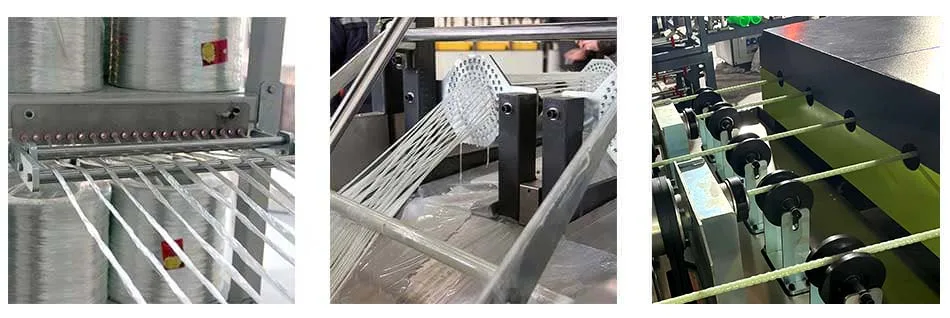
05Process development and start-up parameters
Build a traceable starting point, then test the operating range you need.
Start with
Approved materials and formulation revision, die and line configuration, trial objectives, instrumentation and product acceptance plan.
Engineering work
Record temperature settings and actual readings, speed, pull-force trends and impregnation conditions with sample times. Compare controlled changes and repeat runs where agreed; identify start-up and transition material separately.
You receive, when included
- Profile-specific trial plan and parameter record
- Sample-linked results and adjustment history
- Approved process baseline with applicable limits and revalidation triggers
Acceptance evidence
Agreed samples pass the specified checks. A validated operating window requires its own range and repeatability evidence beyond one successful run.
Agreed in the quotation
Variables and permitted ranges, trial rounds, materials and machine time, sample plan, measurements and criteria for transferring the baseline to the customer line.
06Commissioning, FAT and site acceptance
Give each installation and acceptance task an owner and a record.
Start with
Equipment contract, approved layout and utility schedule, site-readiness evidence, trial materials, FAT/SAT protocols and appointed site personnel.
Engineering work
Coordinate supplier checks, installation supervision and first production trials. Compare the customer site with the factory trial conditions and record differences before accepting transfer results.
You receive, when included
- Site-readiness and installation interface review
- Agreed FAT/SAT and first-run records
- Open-items list with owners, closure evidence and handover status
Acceptance evidence
Named parties sign the agreed equipment checks and trial results. Product qualification is recorded separately.
Agreed in the quotation
Responsible equipment and process engineers, qualified local installation work, remote or site attendance, travel, utilities, witnessing and retest scope.

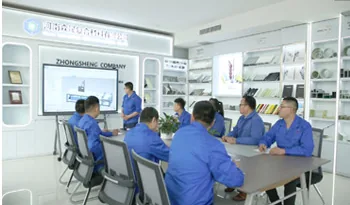
07Operator, process and maintenance training
Define what each role must be able to demonstrate on the agreed line.
Start with
Roles and experience, equipment and profiles, operating procedures, languages, training location and customer authorization responsibilities.
Engineering work
Plan instruction and supervised practice for operators, process technicians, QC, maintenance and supervisors. Cover approved operation, recording, defect recognition, escalation and change control.
You receive, when included
- Role-based learning objectives and training materials
- Attendance and practical demonstration records
- Unfinished learning objectives and proposed follow-up
Acceptance evidence
Observe the agreed tasks and record results for each role. The customer assigns permission for independent work; attendance alone does not demonstrate competence.
Agreed in the quotation
Instructor and responsible supplier, trainees, duration, site or factory access, language, assessment tasks and follow-up. External qualifications are separate.
08Troubleshooting and existing-line review
Use the defect and production history to choose the next check.
Start with
Defect samples and photographs, when and where it appears, material batches, tooling condition, synchronized process trends and recent changes.
Engineering work
Check measurement reliability and the approved baseline, then rank material, tooling, process and downstream-equipment hypotheses. Agree controlled comparisons and a stop or escalation condition.
You receive, when included
- Evidence review and prioritized diagnostic checks
- Written corrective-action or trial plan
- Comparison results, unresolved causes and next actions
Acceptance evidence
Repeat the agreed observations or tests after the change, documenting both improvement and remaining issues.
Agreed in the quotation
Machine access and OEM cooperation, remote or site format, available data, trial rounds, support hours, response commitments and follow-up.

09Technical transfer and production handover
Make the agreed knowledge usable, versioned and assigned to its owner.
Start with
Document and license scope, approved trials, training records, customer recipients and open technical or commercial items.
Engineering work
Assemble the contracted drawings, material records, process baseline, procedures and inspection templates. Review how the receiving team will use them and manage future changes.
You receive, when included
- Versioned technical-document register
- Applicable operation, inspection and change-control records
- Handover sign-off, open items and support contacts
Acceptance evidence
Check the document register and agreed practical handover tasks; assign missing items and remaining training or validation work.
Agreed in the quotation
File formats and language, background and project IP, formulation or software disclosure, permitted sites and uses, confidentiality and later support.
Materials & formulation
Choose a material package, then verify it on the line
Resin family alone is not a production specification. Review the actual resin and cure system together with roving sizing and tex, mat, veil, fillers, release additives and the forming route. The project review confirms supported systems and any specialist work required.
| Candidate route | Selection review | Evidence to request |
|---|---|---|
| Polyester (UP) | Specify the resin grade and cure system, not just the resin family. Review wet-out, surface and service environment. | Current TDS/SDS; supplier processing guidance; viscosity, cure and profile trial evidence. |
| Vinyl ester (VE) | Match the actual chemical, concentration and temperature where corrosion resistance is required. | Supplier application guidance and an agreed exposure or product test plan; no blanket chemical-resistance claim. |
| Epoxy | Choose the resin and hardener together. Pot life, viscosity and cure response affect bath or injection-route selection. | System-specific processing guidance, cure verification and relevant finished-profile tests. |
| Polyurethane (PU) | Review two-component metering, mixing, closed impregnation and moisture control for the proposed system. | Supplier-approved material conditions, injection-system compatibility and recorded line trials. |
| Phenolic / other specialist systems | Start with a feasibility review of materials, equipment, tooling and available process experience. | Supplier support and a separate product-validation plan. Fire or smoke performance requires the specified tests. |
Screen the materials
Use current supplier TDS/SDS and actual grades. Agree viscosity, cure, wet-out or additive-compatibility checks before production trials.
Validate the profile
Tie trials to batches, reinforcement layout, tooling and measured conditions. Select product tests against the application, with external testing separately scoped.
Control the changes
Give the approved material package a revision. Assess substitutes and changes before they inherit any previous trial or product-qualification result.
Formulation detail, raw-material supply and technology-use rights are separate quotation items. Material datasheets describe the supplied material; they do not establish the performance of your finished profile.
Personnel training
Train for a task, assess it in practice
Agree the roles, equipment, materials, instructor and learning objectives before scheduling. Separate attendance, observed performance and the customer's authorization for independent work.
| Role | Learning scope | Practical evidence |
|---|---|---|
| Operator | Pre-start checks, material and fiber path, approved start/stop, shift records and abnormal-condition escalation. | Perform an agreed operating task and complete a traceable shift record. |
| Process technician | Trial planning, parameter versions, trend review, controlled changes and revalidation. | Link a trial change to samples and explain the next decision. |
| QC / inspector | Drawing revision, measurement checks, sample identification, inspection and segregation. | Measure and classify samples against the agreed inspection plan. |
| Maintenance | Supplier procedures for puller, heating, hydraulics, saw and injection equipment where fitted. | Complete an authorized check and document return-to-service conditions. |
| Supervisor | Shift handover, role authorization, hold/release responsibilities and escalation. | Work through an abnormal-condition scenario and assign actions. |
Location, duration, trainee numbers, language and follow-up are quoted per project. Training records do not constitute an external professional qualification.
Delivery & acceptance
Move forward on evidence at each stage
- 01
Agree the brief
Approve the drawing, material candidates, responsibilities and quotation. Define the evidence needed for each decision.
- 02
Prepare the trial
Confirm the actual materials, tooling, line interfaces, measurements, site readiness and sampling plan.
- 03
Review the evidence
Compare traceable samples with the agreed criteria. Record deviations, changes and any repeat trials.
- 04
Transfer and verify
Check the customer-line conditions, practical training and document register. Assign open items and revalidation triggers.
Covered when quoted
- Product, material and equipment-interface reviews
- Tooling trials and profile-specific process records
- Commissioning support and role-based training
- Troubleshooting, agreed documents and handover
Separate scope or outside the service
- Raw-material supply, external testing and product certification
- Structural design responsibility and local conformity assessment
- Travel, site installation and follow-up beyond the quotation
- Proprietary formulas, source programs or technology rights beyond the agreement
Technical transfer
A versioned handover package
Agree the document register, language, recipients and permitted use before work starts. Proprietary recipes, source programs and detailed manufacturing drawings require explicit disclosure and use terms.
- Approved drawings and material specifications
- Tooling versions and reinforcement-path records
- Trial evidence and applicable process baseline
- Operating and inspection procedures within scope
- Training and practical assessment records
- Supplier manuals, backups and access rights as agreed
- Material and process change-control records
- Open items, owners and follow-up contacts
Who delivers
One project plan, named responsibilities
Profile and die process work, machinery commissioning and resin-injection support have distinct technical owners. The proposal identifies who performs, witnesses and signs off each work package.
| pultrx / Shanghai export office | Coordinates the inquiry, quotation, schedule and document handover within its contract. Each technical work package names its delivery and contracting parties. |
|---|---|
| Henan Zhongsheng / Xinxiang | The profile, die, tooling and process team for its agreed scope. Factory trials and factory training require confirmed materials, equipment access and attendance. |
| Haoli / Nanjing | The separately named machinery supplier. Its equipment configuration, controls, commissioning, maintenance training and warranty are confirmed in the equipment quotation. |
| Huafan Technology / Shanghai | The separately named resin-injection supplier where selected. Metering, mixing, controls and injection-box interfaces require a defined integration scope. |
| Customer and appointed specialists | Provide site readiness, authorized operating and maintenance personnel, material data and quality-release decisions. Identify external testing or local installation specialists where required. |
Services may be requested on their own, with a die or equipment order, or in a complete-line proposal. Confirm engineering time, travel, materials, machine time, testing and follow-up as separate cost items where applicable.
Prepare an inquiry
Start with a drawing and a production goal
For troubleshooting, add the defect and the last known good conditions. Send the information you have; the review identifies what is still needed.
- 01Product
Drawing revision, application, critical dimensions and required tests.
- 02Line
New or existing equipment, machine make, tooling, material route and site location.
- 03Materials
Actual grades and available TDS/SDS, reinforcement arrangement and known batch changes.
- 04Goal
Launch, transfer, training or defect reduction; current evidence and requested service modules.
- 05Team & timing
Relevant roles, working language, site readiness and desired project schedule.
FAQ
Know-how and service questions
- What does pultrusion know-how cover?
- A project can combine product review, equipment interfaces, materials and formulation review, tooling and die trials, process development, commissioning, personnel training, troubleshooting and technical handover. The written proposal identifies the modules, suppliers, deliverables and acceptance evidence for your profile and line.
- Can you support a line from another manufacturer?
- Request an existing-line review with the machine model, configuration, tooling and production records. Feasibility depends on available documents, equipment condition, access and cooperation from the responsible equipment supplier. Scope and any modifications are agreed after review.
- Will we receive a resin formulation?
- Confirm the material system, level of formulation detail and permitted use in the proposal. A formulation record, material-selection advice, raw-material supply and a technology license are separate items. No universal recipe or automatic disclosure of proprietary supplier information is implied.
- Which resin systems can be reviewed?
- The selection review can consider polyester, vinyl ester, epoxy, polyurethane and specialist routes against the application. The proposal confirms which systems the assigned team can support and which require material-supplier involvement or external validation. Listing a route is not a promise that it fits your existing line.
- Are die trials and training included with equipment?
- Only where stated in the quotation. Specify trial materials, samples, tests, instructors, location, language and attendance. Factory and site trials use recorded conditions; results do not transfer automatically when materials, tooling or equipment change.
- How is training completion checked?
- Agree learning objectives and practical demonstrations for each role. Attendance, observed performance and the customer's authorization for independent work are recorded separately. These records are not an external professional qualification or product certification.
- Does passing FAT or SAT qualify our product?
- FAT and SAT check the equipment and trial scope agreed in the contract. Finished-profile qualification needs its own material, sampling, test and acceptance plan. Third-party testing, certification and structural design responsibility are separately agreed.
- How are remote support and follow-up arranged?
- Agree the data to provide, support contact, sessions, hours, response commitments and escalation path. Video guidance does not imply remote machine control. Any control-system access needs compatible equipment, customer permission and an authorized person at the site.
Plan the next engineering step
Technical reading
Industry and material references behind the review topics. These publications do not define the contracted service scope or imply a supplier partnership.
- EPTA: pultrusion technical principlesReinforcement, impregnation, curing and pulling as a connected process.
- Owens Corning: pultrusion reinforcement selectionGrade, resin compatibility and reinforcement specification.
- Chem-Trend: release-additive compatibility checksScreening material compatibility before production trials.
- Covestro: polyurethane pultrusionSystem-specific metering, closed impregnation and moisture considerations.
- Australian training register: PMBPROD392EA reference framework for operating and monitoring pultrusion equipment; not a pultrx qualification.
Bring the profile, the line and the production question.
Start a technical review to define the work, responsible suppliers, deliverables and acceptance evidence in a written proposal.