
Skip to content
pultrx

Application · Updated 2026-11-07

FRP crossarms and electrical utility profiles

Electrical utilities buy pultruded fiberglass for parts that must insulate, resist weather and not rot: distribution crossarms, insulating ladder rails, hot-stick and bucket-truck tubes, substation fence and bus supports. These are electrical-grade products: the resin, UV protection and test regime matter more than in structural work. This page lists the product families and what the utility or its contractor specifies.

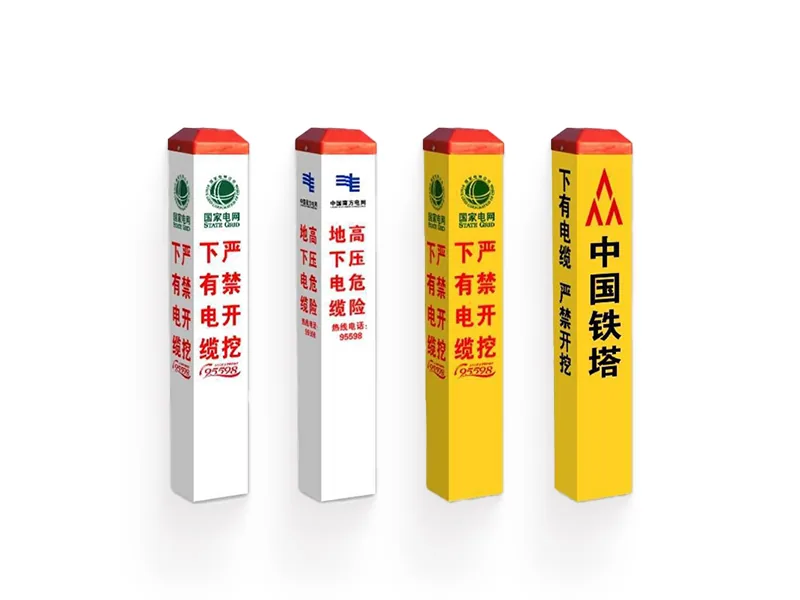
Fiberglass marker stakes for buried cable and pipeline routes

Buying products for this application? Each family below links to its specification page. Running or planning a pultrusion line for these products? Jump to make these products on your own line.

At a glance

FRP crossarms and electrical utility profiles in brief

FRP crossarms are pultruded rectangular or square fiberglass tubes with UV-protective surface veil, cut to length and drilled to the utility's standard; insulating ladder rails and hot-stick tubes are pultruded with electrical-grade resin and tested for dielectric strength. Buyers specify the section, length, hole pattern, resin and UV system, the mechanical test load and the electrical test the utility requires. pultrx quotes these products from the Henan Zhongsheng factory to the utility drawing.

Products
Fiberglass rectangular tube, Fiberglass square tube, Fiberglass round tube, Polyurethane pultruded profiles, Fiberglass rods, Custom FRP profiles
Also searched as
fiberglass crossarm, pultruded crossarm, insulating fiberglass profiles, electrical grade FRP profiles, fiberglass hot stick tube
Made by
Henan Zhongsheng Composite Material Co., Ltd., Muye District, Xinxiang, Henan, China
Sold by
pultrx, Shanghai, China: the factory’s directly affiliated export trading company and exporter of record
Supply basis
Sections, panels and bars made to the project drawing or a catalogue form; design, loads and code compliance stay with the project engineer.
Pricing
Quotation only, by drawing and quantity; FOB Chinese port by default, CIF or DAP on request.

Product families

Products used in this application

Each card opens the product page with its forms, specification questions and RFQ checklist.

Order requirements

What to specify

Put these items on the RFQ so the factory quotes the same product the project drawing describes.

  1. 01Section (width × height × wall) and length, with the hole pattern and end treatment from the utility drawing.
  2. 02Resin system (polyester, vinyl ester, polyurethane or epoxy for core rod) and the UV protection system: surface veil, UV-stabilized resin, coating.
  3. 03Mechanical test: the vertical and longitudinal load the crossarm must carry, and the test method the utility applies.
  4. 04Electrical test: dry and wet dielectric test voltage and duration for insulating products.
  5. 05Tracking and weathering requirements for exposed service.
  6. 06Color, marking, grounding provisions and any foam fill.
  7. 07Sampling plan, test reports and traceability per batch.

Standards and documents

Documents buyers cite

Named so the RFQ can refer to them. Citing a standard does not establish that a quoted product conforms to it; conformity, tests and evidence are agreed in the quotation.

Utility crossarm specification
Most utilities issue their own crossarm drawing and test specification with the loads, hole pattern and dielectric test. Attach it to the RFQ; the quotation names the tests performed on the quoted product.
IEEE and ASTM test methods
Dielectric and weathering tests are cited by the utility specification; ask which test method and acceptance values apply before quoting.
EN 13706
May be cited for mechanical grade of pultruded sections; it does not cover electrical properties.

Crossarms

A fiberglass crossarm is a pultruded rectangular tube, often with a foam or sealed core, cut to length and drilled for insulator pins and braces. Utilities buy them to replace treated timber arms that split and rot and to reduce pole-top weight. The arm must carry the conductor loads with a defined safety factor and keep its dielectric strength after weathering, so the UV system and the surface veil are part of the specification, not a finish option.

Insulating ladders, hot sticks and booms

Ladder rails, hot-stick tubes and aerial-device booms are electrical-grade pultrusions: the resin is chosen for dielectric performance, voids are controlled and each batch is tested at a specified voltage. These products are specified by the test, not by the section alone. State the test voltage and duration on the RFQ.

Substation and line hardware

Fence rails, bus supports, cable trough and equipment stands use the same structural sections as industrial work, with UV protection for outdoor life. Where the part must insulate, treat it as an electrical-grade product and specify the test.

For manufacturers

Make these products on your own line

The dies, machines and planning guides for a factory that wants to pultrude these products itself. The same factory that makes the profiles builds the dies.

FAQ

Questions buyers ask

Does pultrx supply crossarms tested to a utility standard?
Crossarms are quoted to the utility drawing and test specification supplied with the RFQ. The quotation states which mechanical and electrical tests are performed on the quoted product and what reports are issued. No blanket conformity is claimed.
What UV protection do outdoor utility profiles need?
A surface veil, UV-stabilized resin and pigmentation are the usual combination; some utilities also require a coating. State the expected service life and exposure on the RFQ so the resin and veil are quoted accordingly.
Can insulator core rod be supplied?
Fiberglass rods for insulator cores and guy strain insulators are quoted against a controlled specification with the required electrical and mechanical tests. Send the specification with the RFQ.
Which guide should an equipment buyer read?
A utility supplier who wants to pultrude crossarms in-house should start with the tube and rod line guide and the tube and rod dies page, then the resin injection page for polyurethane products.

Send the crossarms and electrical utility profiles drawing or schedule. Get a scoped quotation.

Every quotation names the manufacturer, the exporter of record and the warranty party, and lists what is included.